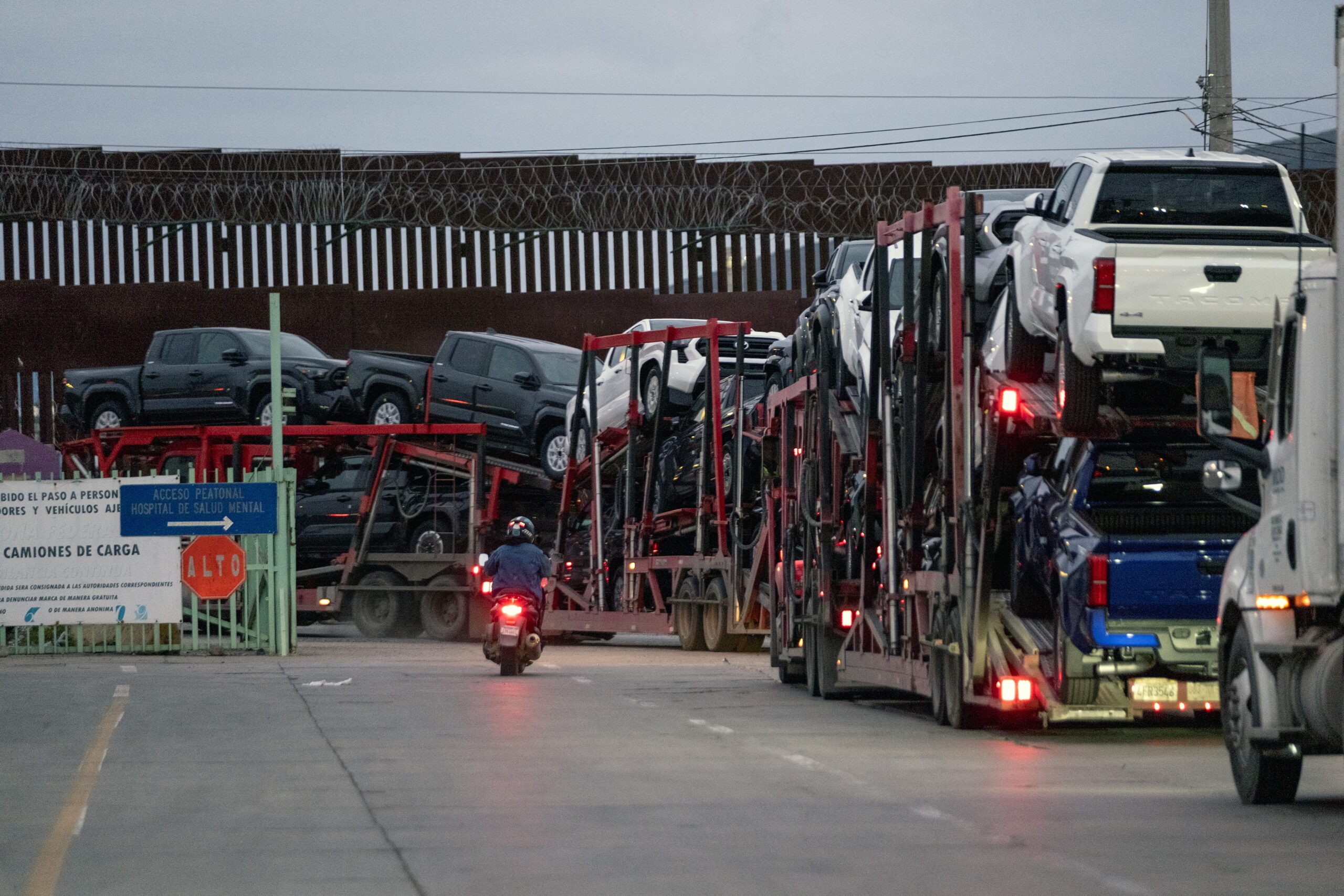
The trade agreement still has 10 years left on its term. The president’s refusal to extend the deal puts the automotive sector in jeopardy.
Understanding the Current Status of the Agreement
With a full decade remaining before the trade agreement expires, recent developments have introduced new questions for manufacturers and suppliers. The decision not to pursue renewal at this stage leaves the future framework unclear for cross-border operations.
Key Details on the Timeline
The trade agreement still has 10 years left. This remaining period had previously provided a stable outlook for planning and investment in vehicle production and parts sourcing.
Automotive companies rely on predictable trade rules to manage supply chains that span multiple countries. Any shift in this stability can influence decisions about where to locate assembly plants and component facilities.
Impact on the Automotive Sector
The president’s refusal to extend the deal puts the automotive sector in jeopardy. Industry participants now face the possibility of operating without an updated or renewed pact once the current term concludes.
Vehicle production involves intricate networks that move materials and finished goods across borders. Disruptions to these flows can affect costs, delivery times, and overall manufacturing efficiency.
Practical Considerations for Buyers and Enthusiasts
Car enthusiasts and potential buyers may eventually notice changes in model availability or pricing if production adjustments become necessary. The automotive sector’s exposure to trade policy means that long-term vehicle development plans could shift in response to the uncertainty.
The trade agreement still has 10 years left, giving some time for stakeholders to assess options and prepare strategies. However, the refusal to extend early has already prompted discussions about alternative approaches to maintaining smooth operations.
Looking Ahead for the Industry
The president’s refusal to extend the deal puts the automotive sector in jeopardy, highlighting how trade agreements influence day-to-day business decisions in vehicle manufacturing. Companies will likely monitor developments closely over the coming years.
While the current agreement remains in force for its remaining duration, the lack of commitment to renewal introduces an element of unpredictability that affects investment and expansion plans across the auto industry.
The trade agreement still has 10 years left, offering a window during which the sector can continue under existing terms. Observers will watch for any further announcements that might clarify the path forward.