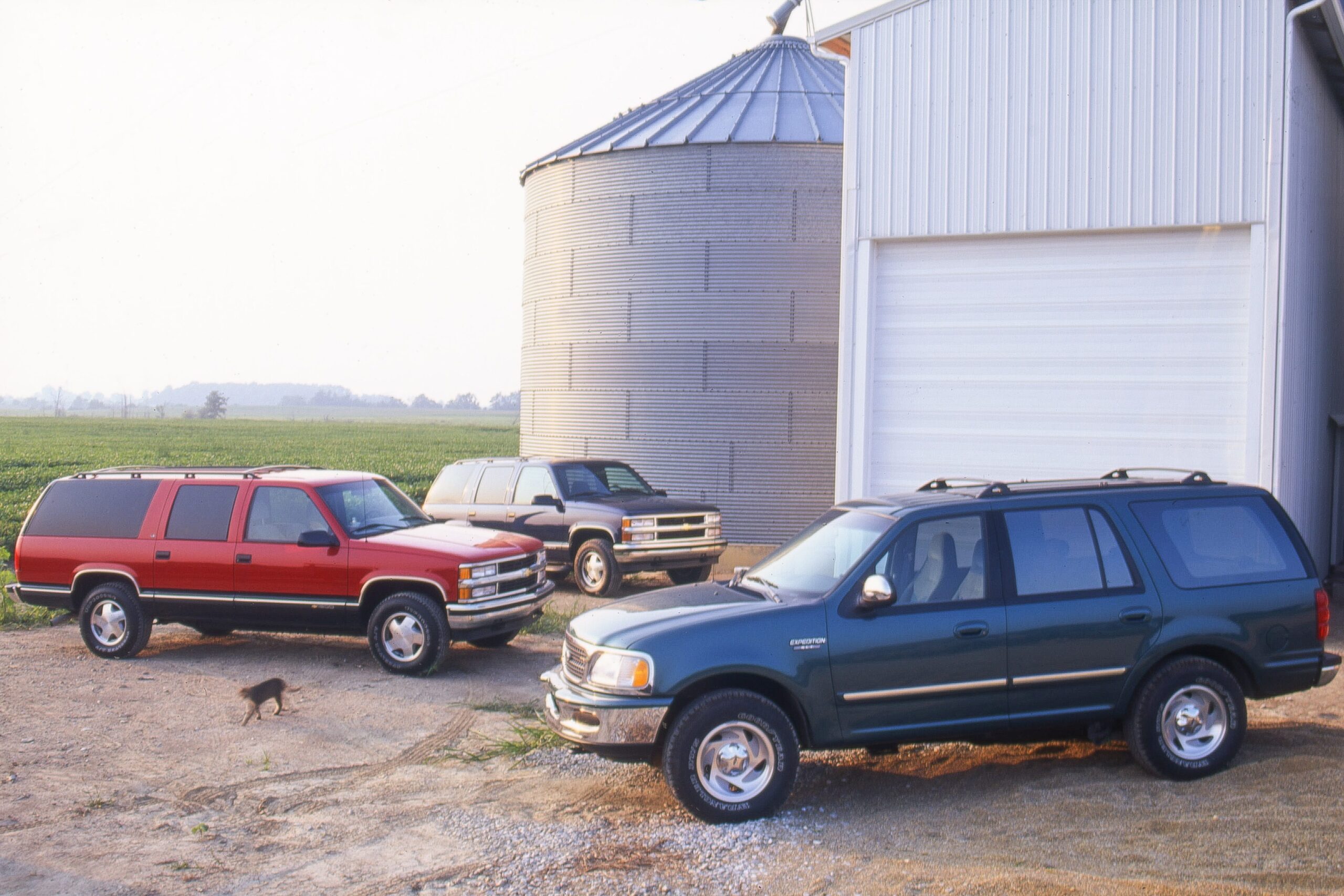
The automotive world has long debated whether larger vehicles deliver superior capability and presence on the road. In 1997, this question took center stage as manufacturers rolled out increasingly substantial SUVs designed to meet growing consumer demand for space, utility, and commanding road presence.
The Context of 1997 SUV Market Trends
Buyers in the late 1990s were drawn to SUVs for their versatility in handling family needs, cargo hauling, and light off-road adventures. The focus on size reflected broader industry shifts toward vehicles that could accommodate more passengers and gear while maintaining a rugged image.
Key Considerations for Enthusiasts and Buyers
When evaluating these models, drivers often weighed factors such as overall dimensions, interior room, and towing capacity. Larger footprints typically translated to more spacious cabins, which appealed to those prioritizing comfort on long drives or during weekend getaways.
Practical context for potential purchasers included how these vehicles performed in daily use. A bigger SUV could offer advantages in visibility and stability, yet it also required more attention when maneuvering in tight urban spaces or parking lots.
Impact on the Auto Industry
The emphasis on sumo-sized SUVs influenced manufacturing strategies across the sector. Companies responded by expanding production of full-size platforms to capture market share among enthusiasts seeking maximum capability.
This development mattered for car buyers because it expanded choices in the segment, allowing families and adventurers to select vehicles tailored to their specific lifestyle requirements without compromising on scale.
Real-World Implications for Drivers
Owners of these 1997 models experienced the trade-offs firsthand. While the added size enhanced presence and utility, it also affected fuel economy and handling dynamics compared to smaller alternatives available at the time.
- Greater cargo and passenger capacity for group travel
- Enhanced towing potential for recreational equipment
- Increased road dominance for highway merging and visibility
Enthusiasts following the segment noted how these attributes positioned larger SUVs as go-to choices for those valuing substance and presence over nimble agility.
Once again, we’re faced with the age-old question: Is bigger necessarily better?
This query continues to resonate with today’s car shoppers who research historical models to understand the evolution of vehicle design and buyer preferences in the SUV category.